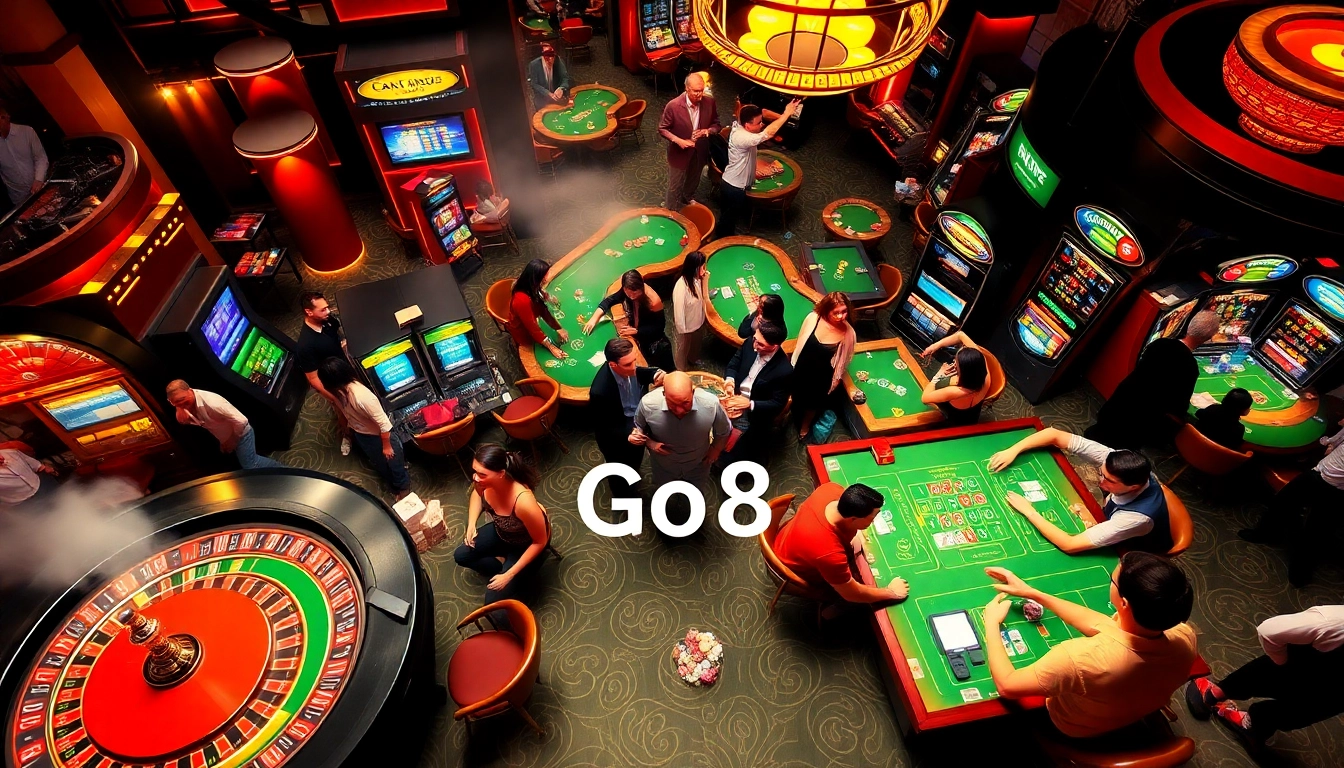
Understanding the Basics of Gambling
What is Gambling? A Comprehensive Overview
Gambling is defined as the act of risking something of value on an event Cách quay hũ luôn trúng with an uncertain outcome, typically with the intent of winning additional money or material goods. The essence of gambling lies in the combination of chance and skill, as players often find themselves navigating the fine line between strategy and luck. From simple games like coin flipping to complex casino games such as poker and blackjack, gambling encompasses a wide variety of activities that attract millions of individuals worldwide.
In its most basic form, gambling can be segmented into two categories: games of skill and games of chance. Games of skill, such as poker and sports betting, require a degree of knowledge and strategy, which can influence the outcome. In contrast, games of chance, like slot machines and roulette, are entirely dependent on luck, with the odds usually favoring the house. Understanding these foundational concepts allows gamblers to choose activities that align with their preferences and risk tolerance. For those interested in exploring comprehensive gambling insights, the Go8 offers valuable resources to enhance your play.
The History of Casinos and Gaming
The history of gambling is as old as civilization itself, with evidence suggesting that various forms of betting existed in ancient cultures. The first recorded establishment of gambling as a formal activity can be traced back to around 3000 BC in Mesopotamia. Fast forward to the late 20th century, and gambling evolved into the multi-billion-dollar global industry it is today, with casinos acting as the epicenters of gaming entertainment.
The transition from underground betting to legalized casinos began in the early 19th century in Europe, with the introduction of the first modern casino in Venice in 1638. Subsequently, the popularity of casinos spread across the globe, with Las Vegas becoming synonymous with glamour and high-stakes gambling in the mid-20th century. Today, casinos offer a variety of games, including slots, table games, and sports betting, catering to a diverse clientele while upholding strict regulatory standards to ensure fairness and security.
Types of Gambling Activities: From Slots to Table Games
When it comes to gambling, there are numerous activities players can engage in, each with its own unique appeal and strategies. Key categories include:
- Slot Machines: These are perhaps the most recognizable form of gambling, featuring colorful screens, engaging themes, and often significant jackpots. Slots operate based on Random Number Generators (RNG) which ensure fair play.
- Table Games: Traditional table games such as blackjack, poker, and roulette offer a more interactive gambling experience. Players can utilize betting strategies and skillful play to enhance their chances of winning.
- Sports Betting: This activity involves wagering on the outcomes of sporting events. The advent of online sports betting has made it more accessible, allowing fans to place bets from the comfort of their homes.
- Live Dealer Games: Combining the excitement of in-person gaming with the convenience of online platforms, live dealer games allow players to interact with real dealers via streaming technology, thereby enhancing the gaming experience.
The Allure of Casino Gaming: Why Do We Gamble?
Psychological Factors Behind Gambling Behavior
The motivating factors behind why individuals engage in gambling are multifaceted. Many gamblers are drawn to the thrill of risk-taking and the potential for substantial rewards. Psychological research indicates that the release of dopamine during gambling activities can lead to feelings of excitement and euphoria, further fueling the desire to participate.
Moreover, cognitive biases, such as the illusion of control and the gambler’s fallacy, play pivotal roles in shaping behaviors. Gamblers may believe that they can influence outcomes based on past results, leading them to increase their risk or continue playing despite losses. Understanding these psychological aspects can help gamblers develop healthier gambling habits and make more informed decisions while gaming.
The Social Aspects of Modern Gambling
Gambling today is not merely an individual pursuit; it serves as a social activity that brings together friends, family, and even strangers. Many casinos host events, tournaments, and group games that foster social interaction among participants.
Furthermore, online gambling platforms have also created communities where players can interact, share tips, and celebrate wins together. Social gambling can enhance the enjoyment of gaming, but it is crucial to maintain a balance to ensure that social interactions do not lead to reckless gambling behavior.
Risk and Reward: Calculating Your Gamble
In the world of gambling, the concept of risk versus reward is central. Gamblers are constantly assessing the odds and potential payouts associated with different bets. Understanding the house edge—the mathematical advantage that casinos hold over players—is critical for making educated decisions when placing wagers.
It’s essential for gamblers to familiarize themselves with the concept of Return to Player (RTP), which indicates the percentage of wagered money a game will pay back to players over time. The higher the RTP, the better the odds of winning in the long run. By choosing games with favorable RTP percentages and developing a clear understanding of risk versus reward, players can optimize their gambling experiences.
Implementing Effective Betting Strategies
Understanding Odds and Payouts
Understanding odds is fundamental to successful gambling. Odds indicate the likelihood of a specific outcome occurring and directly impact potential payouts. There are different types of odds, including fractional, decimal, and moneyline, each serving the same purpose but presenting information differently.
Consider a simple example: If a roulette bet pays 2 to 1, this means for every $1 wagered, you win $2 if successful. Learning to interpret odds accurately equips gamblers with the ability to assess their bets critically and identify potentially profitable opportunities within the gaming landscape.
Bankroll Management: Protecting Your Gambling Investment
Effective bankroll management is paramount to long-term success in gambling. It involves setting a budget for gambling activities and adhering to it strictly to prevent loss of significant amounts of money. A well-structured bankroll management plan includes:
- Setting a specific gambling budget for each session.
- Establishing limits on the amount of money played per game.
- Avoiding the temptation to chase losses, which can lead to significant financial pitfalls.
By adhering to these principles, gamblers can enjoy their experiences while mitigating financial risks, ensuring that gaming remains a form of entertainment rather than a source of anxiety or hardship.
Advanced Betting Systems: Martingale to Fibonacci
For those seeking to enhance their gambling strategies, several advanced betting systems can be employed. While no system guarantees success, understanding these approaches can help players make informed decisions. Two popular systems include:
- Martingale System: This strategy involves doubling your bet after each loss, with the assumption that you will eventually win back your losses. However, this strategy can quickly lead to substantial losses if players hit a streak of bad luck.
- Fibonacci System: Based on the Fibonacci sequence, this strategy involves betting following a predefined numerical series, increasing bets after a loss, and returning to the starting point after a win. This system is less aggressive than the Martingale and can help manage losses more effectively.
Regardless of the strategy employed, it is important to remember that gambling should ultimately be viewed as a form of entertainment, with risks carefully evaluated to ensure responsible play.
Online Casinos vs. Traditional Casinos
Benefits of Online Gambling: Convenience and Variety
The rise of technology has given birth to online casinos, transforming the gambling experience for millions of players. One of the most significant advantages of online gambling is convenience. Players can access a wide array of games from their homes, eliminating the need to travel to traditional casinos.
Furthermore, online casinos often provide a broader selection of gaming options, from classic table games to innovative slots and live dealer variations. Promotions and bonuses such as welcome offers, free spins, and loyalty programs are also prevalent in online casinos, enhancing the overall value for players. This increased variety not only appeals to casual gamblers but also provides seasoned players with numerous choices to suit their gaming preferences.
Live Dealer Games: Bridging the Gap Between Online and In-Person Play
Live dealer games are a revolutionary bridge between traditional casinos and the online gambling world. These games allow players to experience the authentic casino atmosphere while playing from the comfort of their homes. Utilizing high-definition streaming technology, players can interact with actual dealers and other participants, creating a more immersive gambling experience.
Live dealer games combine the advantages of both realms, offering the convenience of online play with the social interaction and excitement of a physical casino. Popular options include live blackjack, roulette, and baccarat, all of which provide real-time excitement and dynamic betting opportunities.
Security and Fair Play in Online Casinos
With the proliferation of online casinos comes increased scrutiny regarding security and fair play. Reputable online gaming platforms implement stringent measures to ensure the integrity of their games and the safety of player information. This includes utilizing advanced encryption technology to protect personal and financial data, as well as conducting regular audits to verify the fairness of their games through independent third-party organizations.
Understanding these security protocols is paramount for players to feel confident in their online gambling experiences. Furthermore, regulated online casinos often hold licenses from reputable authorities, granting players additional assurance regarding their operational standards and commitment to fair gameplay.
Trends to Watch in the Gambling Industry for 2025
The Rise of Cryptocurrency and Blockchain in Gambling
As cryptocurrencies and blockchain technology continue to gain traction, the gambling industry is witnessing the integration of these innovations into gaming platforms. Cryptocurrencies such as Bitcoin and Ethereum are being accepted by an increasing number of online casinos, allowing for faster and more anonymous transactions.
Moreover, blockchain technology offers enhanced transparency and security in gambling operations, ensuring that all transactions are immutable and verifiable. As this trend evolves, players can expect more gaming options that leverage these technologies, prioritizing user protection and enhanced gaming experiences.
Mobile Gambling: The Future of Gaming on the Go
The convenience of mobile technology has revolutionized the gambling landscape, with an increasing number of players opting for mobile casinos over traditional platforms. Mobile gambling apps deliver a wide range of gaming options that fit seamlessly into daily life, allowing players to gamble anytime and anywhere.
As technology advances, mobile platforms are expected to become even more sophisticated, featuring improved graphics, enhanced user interfaces, and exclusive mobile-only games. It’s vital for players to stay informed about the latest developments in mobile gambling technology to optimize their gaming experiences and capitalize on emerging opportunities.
Responsible Gambling Initiatives and Their Importance
As the gambling landscape evolves, responsible gambling initiatives are becoming more critical. Organizations and operators are increasingly emphasizing the importance of promoting safer gambling practices to mitigate the risks of problem gambling.
These initiatives include implementing self-exclusion programs, providing tools for tracking playtime, and offering educational resources regarding responsible gambling behavior. Players should take advantage of these resources, remembering that gambling should be an enjoyable form of entertainment, not a source of stress or financial hardship.
About the Author
